
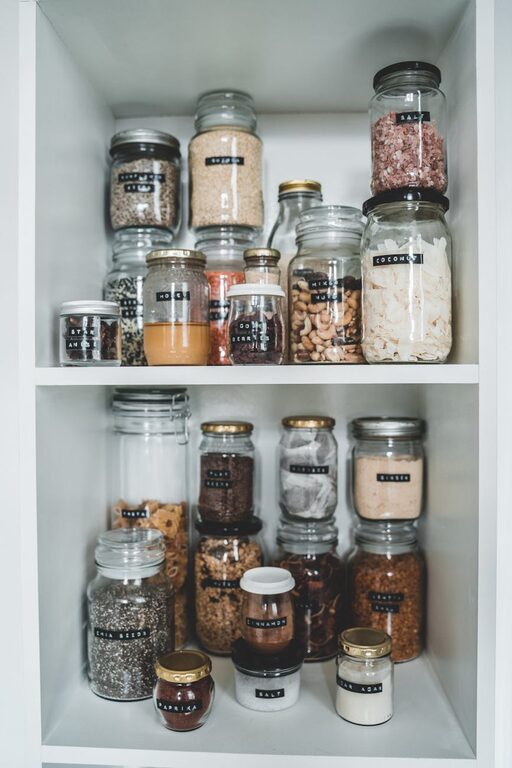
Keeping a tidy fridge and pantry is key to maintaining an organized kitchen, saving time during meal prep, and minimizing food waste. When your food storage areas are cluttered, it’s easy to forget what you have, buy duplicates, or let items expire unnoticed. With a few simple habits and smart organizing techniques, you can create an efficient system that works for your lifestyle. In this post, we’ll explore practical steps to keep your fridge and pantry neat, clean, and well-stocked.
Why Organizing Your Fridge and Pantry Matters
Before diving into the “how,” it’s helpful to understand why organization is important:
– Saves Money: When you know what’s on hand, you avoid buying unnecessary duplicates.
– Reduces Waste: Proper storage and rotation help food stay fresh longer and prevent spoilage.
– Streamlines Cooking: A clean, well-arranged space helps you find ingredients quickly.
– Maintains Hygiene: Cleaning regularly reduces the risk of mold and unpleasant odors.
Getting Started: Clear Out and Clean
The first step to an organized fridge or pantry is clearing out the clutter.
Step 1: Empty Everything
Remove all items from your fridge and pantry. This visual overview helps identify expired goods and items you no longer need.
Step 2: Check Expiration Dates
Discard anything that is past its expiration date, spoiled, or looks questionable. Be sure to check not only the packaging but also freshness for produce.
Step 3: Clean Shelves and Drawers
Use mild soap and warm water to wipe down shelves, drawers, and walls. For tough stains, a mixture of baking soda and water works well. Dry surfaces before replacing items.
Organizing the Pantry
A well-organized pantry keeps staples visible and accessible.
Group Similar Items Together
Sort foods into categories such as:
– Grains and pasta
– Canned goods
– Baking supplies
– Snacks
– Spices and herbs
Use containers, bins, or baskets to keep similar items grouped. Clear containers help you see contents at a glance.
Label Everything
Label shelves and containers to make it easier to return items to their proper places. This is especially helpful for household members who help with cooking or cleaning.
Use Vertical Space
Add shelf risers or stackable bins to make the most of vertical space. Hanging racks or door organizers can hold smaller items like spice jars or seasoning packets.
Practice FIFO (First In, First Out)
When restocking, place newer items behind older ones so you use the older products first and reduce waste.
Organizing the Fridge
Keeping your fridge organized helps preserve freshness and allows better airflow.
Assign Zones
Designate specific areas in your fridge for different items:
– Top shelves: Ready-to-eat foods such as leftovers, drinks, and snacks.
– Middle shelves: Dairy products like milk, yogurt, and cheese.
– Bottom shelves: Raw meat, poultry, and fish, stored in sealed containers to prevent drips.
– Crisper drawers: Fruits and vegetables, separated by humidity settings if available.
– Door: Condiments, juices, and other items less sensitive to temperature changes.
Use Clear Bins and Containers
Similar to the pantry, use clear storage containers or bins in your fridge to group smaller items, like snack packs or cheese slices. This keeps the fridge tidy and easy to navigate.
Keep It Clean
Wipe spills immediately to prevent sticky messes or mold. Schedule weekly fridge checks to reorganize and remove spoiled food.
Monitor Temperature
The ideal fridge temperature is between 35°F and 38°F (1.7°C to 3.3°C). Lower temperatures help keep food fresh longer.
Tips for Ongoing Maintenance
To keep your fridge and pantry tidy over time, consider these habits:
– Regularly Review Contents: Check your fridge and pantry weekly before grocery shopping.
– Plan Meals Around What You Have: Use ingredients you already own to prevent overbuying.
– Use Clear, Consistent Storage: Matching containers and consistent labels make it easier to put things back.
– Set Reminders: A monthly reminder to clean and reorganize helps maintain order.
Conclusion
A tidy fridge and pantry can transform your kitchen experience, making cooking more enjoyable and reducing stress. By starting with a thorough cleanout and establishing thoughtful organization systems, you’ll create an approachable and efficient space. Consistent maintenance and mindful shopping round out the process, helping you keep your kitchen well-stocked and clutter-free all year long. With these tips, you’ll spend less time searching and more time savoring your meals!